
Owner, Brandi Lewis, was featured on the Convos with Petra Podcast Episode 17: Joy, Peace, and Purpose on May 15, 2019. Check out the link below. It is a great conversation about Faith and Mental Health!

“When we are shamed as children for being who we really are, we begin to doubt ourselves. We internalize the belief that something is inherently wrong with us. And this leads to self-punishment, self-blame, and self-hatred. If you grew up in a household that rewarded you only for doing what they wanted you to do—and shamed for what you are naturally drawn to—you may have grown up with a lot of self-doubt. And not much self-trust.” from Dodging Energy Vampires by Christiane Northrup, MD.
A brave question to ask yourself is, do you trust yourself? It may even be a question that you may not have thought of, but take a minute to consider if you trust your own thoughts, your decisions, or your choice in friends or partners. Iyanla Vanzant once wrote, “do you trust yourself as much as you trust to sun to rise and set each day.” It’s possible that you may find that you don’t trust yourself as much as you think.
In Dodging Energy Vampires, Dr. Northrup explains that even though the shame we may feel from our peers is hurtful, the shame that we may feel from the people who are supposed to protect us—our families, can be damaging. She says that “all tribes wound their members with (common) wounds: shame, abandonment, and betrayal. Tribes…use these wounds to keep their members ‘in line.’ These wounds come from expectations of the way things ‘should be’” Your tribe may be your girls, your family, or your squad. These are the people you love and do life with each day. You may ask why then, would these people wound you? The answer can vary, but it’s arguable that as a whole, people have a need to want things to fit in line.
All of this boils down to one thing: your opinion of how you see and trust yourself. What lessons do you think that you learned about yourself as a child? What lessons do you think you learned about how be a man or a woman? How did your tribe respond when you were brave enough to do something that wasn’t the norm for your tribe? If you’ve ever found yourself doubting your own actions, consider that it may not have started with you. Take some time today to think about your belief and trust in yourself. It may be the key to a more fulfilling life.
Free resources are always helpful when looking for a therapist or for between counseling sessions. Check out some resources below:

Photo by Nicole Honeywill on Unsplash
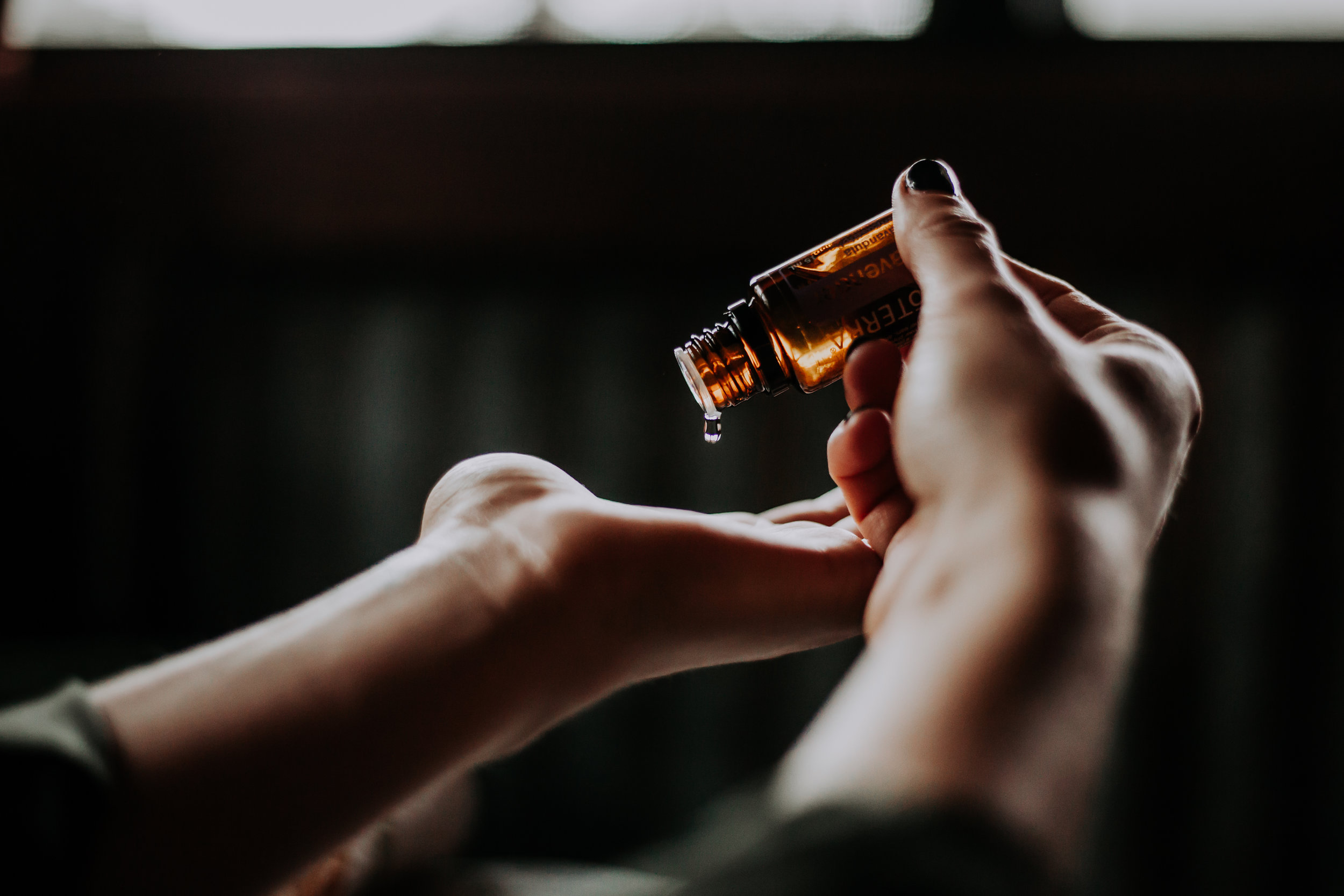
Photo By: Kristen Hume
By: Brandi Lewis, M.Ed, LPC
There are many things that you can do to heal along with going to therapy. Some of these methods are free and easy to do. Some of the other methods can be done with the help of a practitioner. Here are just a few methods that can help:
Guided Meditation: Guided Meditation is when there is a narrator helping you to quiet your mind and help you to make a specific change in your life. Meditation helps to calm your body and mind. Studies show that the mind can’t often separate a real event from an imagined event. When you experience guided meditation it is like experiencing a real event and as a result it can cause your body to calm itself. (Imagine yourself on a sunny island experiencing the sound of the waves and feeling the sun!) There are a lot of free apps that help with guided meditation, including “Keep Yoga,” a free app that uses guided meditation, yoga, and wellness articles to help people each day.
Acupuncture: Acupuncture is a form of traditional Chinese medicine where a practitioner uses very thin, small needles in the skin to balance the energy in a person’s body at different specific points. This helps to boost overall well being and has been used to help physical conditions including headaches, blood pressure, fertility as well as mental and emotional conditions such as anxiety and depression. Don’t worry about pain; the needles are as thin as a strand of hair!
Chakra Balancing: Our universe revolves around energy and so do our bodies. Energy flows in a constant stream throughout the body at key points. These points are called chakras. An overactive or underactive chakra can result in different issues including: depression, weight problems, arthritis, impotence, anger, thyroid problems and much more.
Reiki: Reiki is a traditional form of Japanese healing that reduces stress and promotes healing and relaxation. Reiki means “spiritually guided life force energy.” It is not related to a particular religion, it is the guided movement of energy throughout a person’s body by a practitioner. Reiki has been used to treat the following conditions: anxiety, depression, infertility, heart disease, and more.
Essential Oils: Essential Oils are used in aromatherapy and can be used to aid with many concerns including: anxiety, depression, relaxation, headache, nausea, immunity, stress, and digestion. Examples: Rose oil can be used to reduce anxiety and improve mood; Lavender can be used for stress relief.
Homeopathy: According to the National Center for Homeopathy, homeopathy is “ a safe, gentle, and natural system of healing that works with your body to relieve symptoms, restore itself, and improve your overall health. It is extremely safe to use, even with very small children and pets, has none of the side effects of many traditional medications, is very affordable, is made from natural substances, and is FDA regulated.” Homeopathic doctors can help treat illnesses and conditions like colds, ear infections, migraines, and sore throats, asthma, depression and arthritis.
Group Counseling, Support Groups, and Prayer Groups: Each of these groups provide support for people in different, but effective ways. These groups are often small groups of people that foster community and meditative practices. One thing that has been proven with groups is that it often helps people not to feel alone in a given situation.
Exercise: There are many benefits of exercise for mental health. Exercise can help improve sleep patterns, provide a boost of energy, promote self-esteem and resilience. Studies have shown that exercise can aid with PTSD, ADHD, stress, depression, and anxiety.
Journaling: You may have kept a journal and hid it when you were a teenager, but have you thought about keeping a journal as an adult? If you struggle with anxiety, depression, or have experienced trauma, journaling may be a good idea. Journaling has many benefits including: Managing and reducing stress and anxiety, catharsis, identifying negative patterns and thoughts, and helping people to identify triggers. You don’t have to give up your diary or journal just because you’ve grown up.
What in the world is Cognitive Dissonance?
Have you ever found yourself being annoyed by a friend who may continually do things that are harmful? Have you found yourself judging a who friend chooses to stay in a relationship with the awareness that their partner is cheating or is abusive and manipulative? Have you ever gotten mad at someone who may smoke cigarettes with the awareness that long term smoking can cause cancer? Sound familiar? This is Cognitive Dissonance.
The theory of Cognitive Dissonance was first proposed by Leon Festinger in 1957. It is a conflict of beliefs, attitudes, or behaviors. This happens when a person strongly holds on to a belief simply because they want to believe it. When contrary evidence appears to threaten that belief, the person tends to fight against accepting the evidence no matter how obvious it is because it goes against the original belief. It has been proven that the brain has difficulty reconciling the two notions: the belief and the truth. When a person is struggling with Cognitive Dissonance, it can look like the person may be intentionally choosing to do something that may be causing them harm, but in reality, the person is in conflict.
This type of conflict is often a result of narcissistic abuse. Narcissistic Abuse is verbal abuse that often shame based. The abuser projects their own shame onto the victim. Other forms of narcissistic abuse are manipulation, gaslighting, sabotage, exploitation, and isolation. Narcissistic often abusers tend to target people who empathetic, kind, compassionate, and trusting.
Often people who struggle with this are judged by their peers because it seems so illogical to other people. The truth is that there are ways to reconcile this internal struggle. If you or a friend struggle with cognitive dissonance, keep in mind that you may have previous evidence of good in a person or a situation at hand. You may have held on to that evidence because it may invoke a positive feeling, emotion, or memory in you. The contrary evidence can be shattering for some people because of the value that they may have placed in the original belief. Admitting that the original belief, is no longer true can be a struggle that can take a while to overcome. Here are three ways to help in this process:
Consider the importance of the belief. Why does it matter so much to you?
Journal about your thoughts, beliefs, and the new evidence. It is often cathartic write about your current thoughts, but it can be a revelation to re-read the information and see it in your own words.
Consider how the new evidence may affect you positively. Don’t concentrate on the negative affects.
For more information about Cognitive Dissonance, check out the link below:
By: Brandi Lewis, M.Ed, LPC
